Kitchen cabinet declutter in five steps

You can complete a full kitchen cabinet declutter in five steps to make your daily cooking much faster. This process removes items you do not use and creates a logical flow for your dishes and tools. Set aside two hours this weekend to transform your storage space into a calm environment.
Empty every shelf and drawer
The first step is to take everything out of your cabinets and place the items on your counters or a large table. Seeing the total volume of your kitchen gear helps you realize how much space you actually have once the clutter is gone. Use this time to wipe down the empty shelves with a damp cloth and mild soap to remove dust or crumbs.
Professional organizing experts suggest that starting with a blank slate prevents you from just moving messes around from one shelf to another. While the cabinets are empty, check for any signs of wear or areas that need shelf liners. This stage should take about twenty minutes for a standard sized kitchen.
- Remove all dishes, glasses, and mugs from upper cabinets.
- Clear out heavy pots, pans, and small appliances from lower units.
- Empty all junk drawers and utensil dividers completely.
- Sort items into broad categories like bakeware, everyday dining, and gadgets.
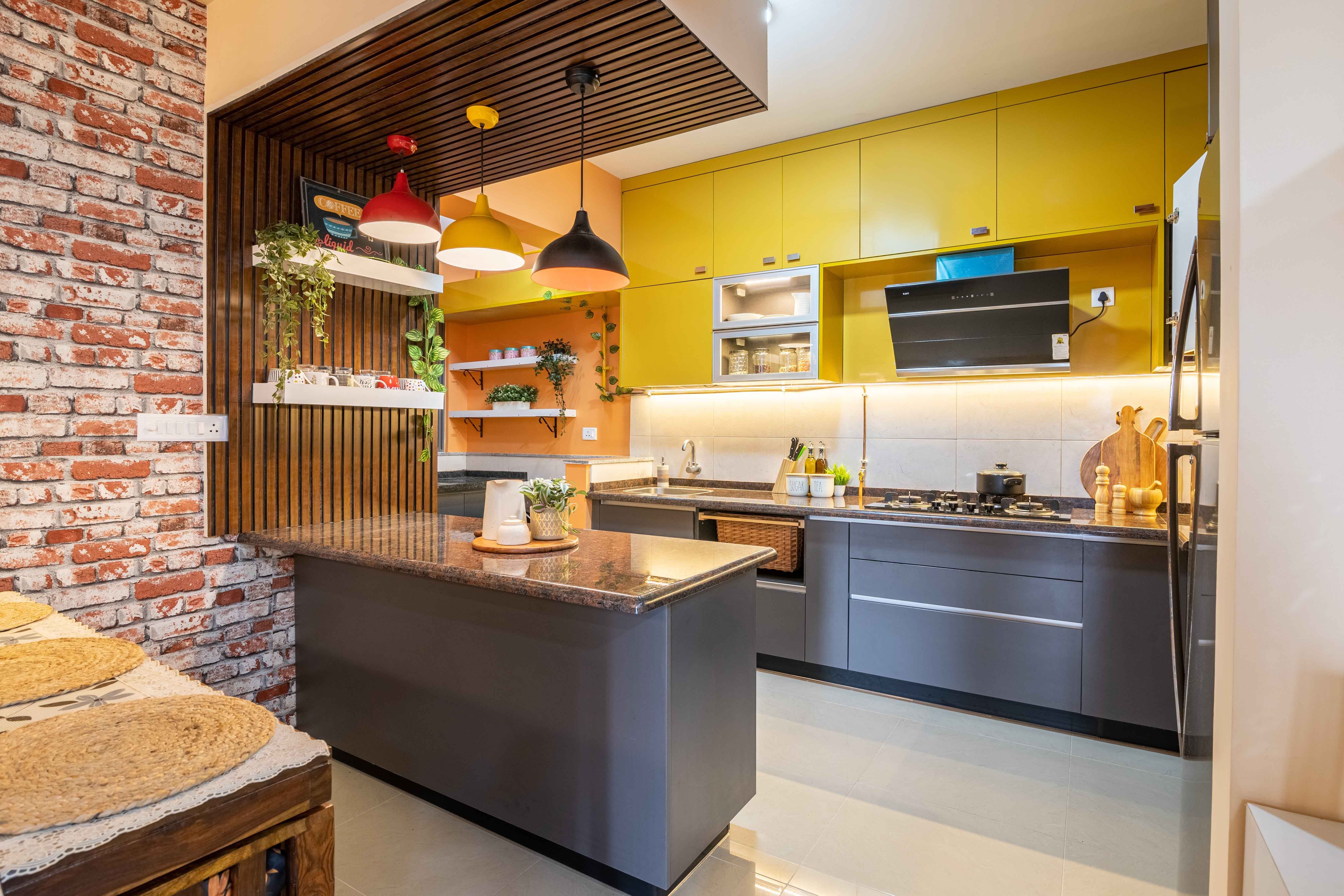
How to do a kitchen cabinet declutter quickly
Once everything is out, you must decide what stays and what goes based on your actual habits. Look at every item and ask when you last used it for a meal. If you have five spatulas but only use two, put the extras in a donation box immediately. Be honest about gadgets that seemed useful but now just collect dust in the back of a deep corner cabinet.
Focus on getting rid of duplicates and broken items that you have been meaning to fix. Check for chipped mugs, plastic containers without matching lids, and expired food items if you store dry goods in these cabinets. Reducing the number of items is the only way to ensure your cabinets stay tidy over the long term.
- Discard any plastic containers that are stained or missing lids.
- Donate duplicate tools like extra vegetable peelers or rolling pins.
- Place items you use once a year in a separate box for high shelf storage.
- Throw away any expired pantry items or spices that have lost their scent.
Group items by frequency of use
The key to a functional kitchen is placing the things you use every single day at eye level. Your heavy dinner plates and daily water glasses belong on the bottom shelf of your upper cabinets. Items you only use for holidays or special events should go on the very top shelves where they are out of the way but still accessible with a step stool.
This method is a core part of housekeeping because it reduces the physical effort required to tidy up after a meal. When every item has a dedicated home based on how often you touch it, you are less likely to leave things on the counter. Spend thirty minutes mapping out where each category will live before you start putting things back.
Store items near their point of use
Think about the flow of your kitchen and where you perform specific tasks like prep, cooking, and cleaning. Store your pots and pans as close to the stove as possible to save steps while you work. Keep your mugs and coffee supplies near the kettle or coffee maker to create a dedicated beverage station that keeps morning traffic out of the main cooking zone.
Good professional organizing relies on these zones to make a small kitchen feel much larger than it is. If you have a dishwasher, try to store your most used plates and silverware in the cabinets directly above or next to it. This makes the chore of unloading the dishwasher take less than five minutes because you do not have to walk across the room.
- Move baking sheets and muffin tins near the oven.
- Store cutting boards and knives in the area where you chop vegetables.
- Keep cleaning supplies and dish soap under the sink or near the dishwasher.
- Place food storage wraps and bags near the refrigerator for leftovers.
Maintain your organized cabinets
After you have put everything back in its new home, take five minutes each evening to ensure items are returned to their proper spots. A kitchen cabinet declutter is only successful if you stop bringing unnecessary items into the house. Before you buy a new kitchen gadget, ask yourself exactly which cabinet it will live in and what old item you will remove to make space.
Regular cleaning of the shelf surfaces every few months will keep the space feeling fresh. If you notice a drawer getting crowded again, do a mini reset that takes ten minutes to remove any new clutter. Staying on top of the small messes prevents you from ever needing to do a massive overhaul again in the future.


Comments
Post a Comment