Fridge Organization Ideas That Keep It Clean Every Week
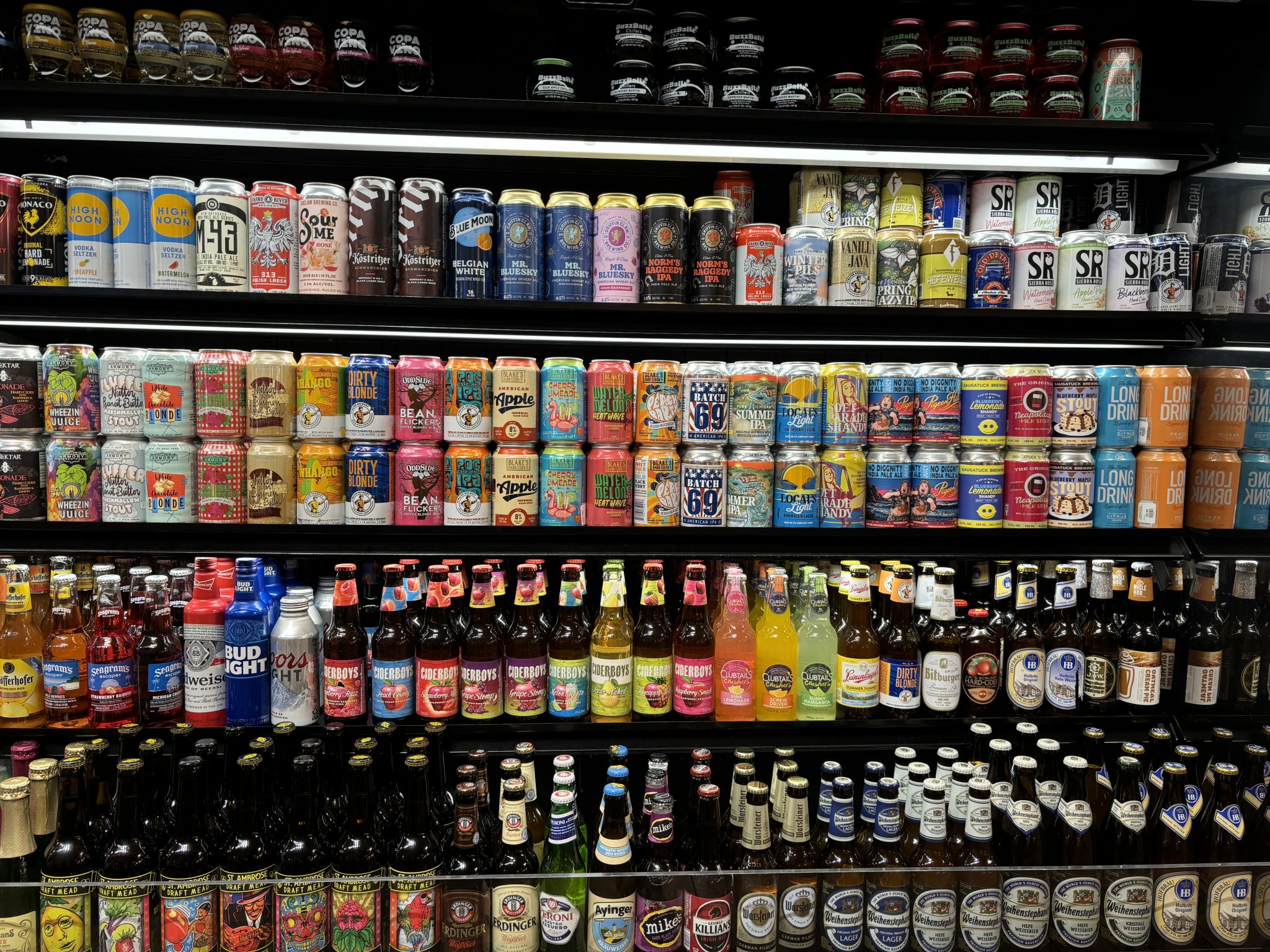
Organize your fridge by food type and temperature zone to keep your kitchen clean and food fresh. Put fresh produce at the bottom, raw meat on the lowest shelf, and dairy in the middle sections. This simple layout stops spills, cuts down on food waste, and takes just fifteen minutes to set up.
How to clean your fridge before organizing
Start by taking every single item out of your fridge and placing it on your kitchen counter. Throw away any expired sauces, old leftovers, or spoiled produce right into the bin. Work quickly so your fresh food does not sit at room temperature for longer than twenty minutes total.
Wipe down every empty shelf and drawer with warm water and two tablespoons of mild dish soap using a soft microfibre cloth. Dry each surface with a clean tea towel before you put any food back inside. Using clear principles of Housekeeping keeps your food safe and makes future cleaning much easier.

Where to put milk in fridge for best results
The middle and lower shelves maintain the most consistent temperature in your refrigerator, making them the correct location for dairy. Many people keep milk in the door racks, but that area warms up every time you open the fridge. Place your milk cartons, yogurts, and hard cheeses on the middle shelf instead so they stay cold and last longer.
Group your daily breakfast items together on this same middle shelf so your family can grab them quickly each morning. Keep butter, soft cheeses, and unopened spreads on the upper door shelves where temperatures are slightly milder.
- Top shelves: Place ready to eat foods, drink cans, leftovers, and fresh herbs here.
- Middle shelves: Store milk, eggs, yogurt, sour cream, and cottage cheese in this section.
- Bottom shelf: Keep raw meat, poultry, and fish sealed in containers on this lowest shelf.
- Crisper drawers: Put vegetables in the high humidity drawer and fruit in the low humidity drawer.
- Fridge door: Reserve these door racks for condiments, salad dressings, pickles, and fruit juices.
How do I organize my fridge shelves
Place raw meat, poultry, and seafood on the very bottom shelf directly above the drawers. Wrap these items in clean plastic trays or sealed containers so juices cannot drip down onto other fresh ingredients. Keeping raw proteins at the lowest point prevents cross contamination across your whole food supply.
Set your crisper drawers to the correct humidity settings for your fresh produce. Vegetables need high humidity so they do not dry out and wilt, while fruits need low humidity so gas can escape and stop them from rotting quickly. Line the bottom of both drawers with a clean paper towel to catch loose onion skins and moisture.
- Use clear plastic bins to group small items like snack packs or cheese sticks together.
- Label every clear bin so everyone in your home knows where items belong.
- Leave two inches of empty space between items so cold air circulates evenly.
- Place older food near the front of the shelf so you eat it first.
Weekly routine to keep your fridge clean
Set aside five minutes every week on the day before you go food shopping to check your shelves. Throw away any leftovers that are more than three days old and wipe any fresh rings off the glass shelves. Following basic Cleaning steps regularly means you never have to scrub dried spills off your shelves again.
Wipe the outside door handles with a damp cloth and check the rubber door seal for small crumbs. Put your new food items behind the older jars so you use up the existing items first. This simple five minute habit keeps your fridge running well and stops clutter from building up again.


Comments
Post a Comment