How to Declutter Sentimental Things Without Guilt
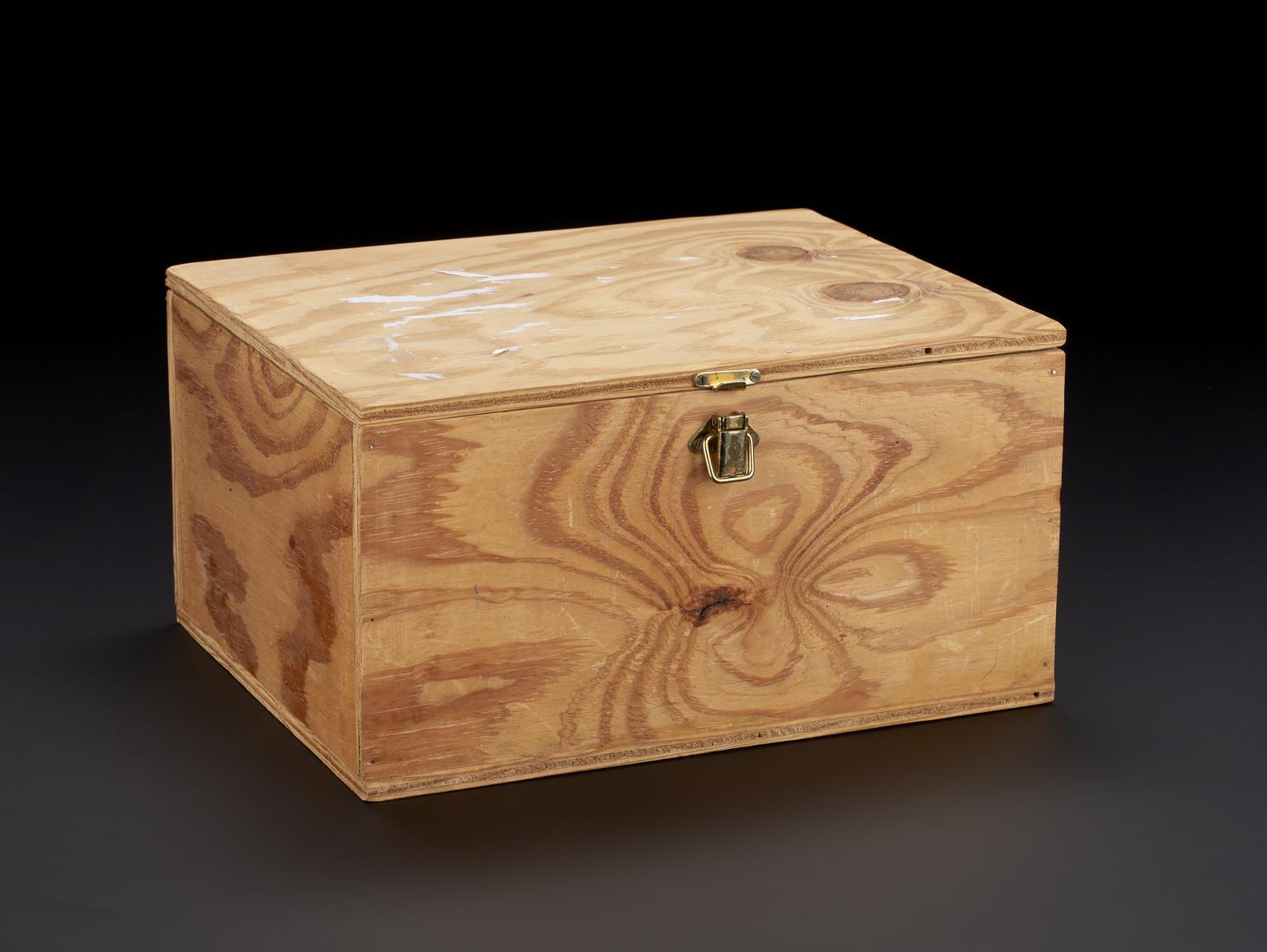
To declutter sentimental things without guilt, sort your items into clear categories and pick one favorite object to represent a whole group of memories. Take photos of bulky or delicate keepsakes before you let them go so you keep the memory without taking up physical space in your home. Set a strict timer for twenty minutes per session to prevent emotional burnout.
How to start sorting sentimental items
Working through memory boxes takes real energy, so start with the items that carry the least emotional weight. Leave childhood keepsakes and letters from late family members until the very end. Begin with secondary items like old concert tickets, party favors, or souvenirs from a short weekend trip taken five years ago.
Set a timer on your phone for exactly twenty minutes. Gather one single box or drawer and bring it to a clear table. Do not attempt to sort through your entire home in one day. When the timer sounds, stop sorting, put away what you decided to keep, and step away from the work.
- Pick one small box: Choose a single tub of old photos or a drawer of old paper keepsakes.
- Set a clear time limit: Stop immediately after twenty minutes to protect your energy.
- Sort into three piles: Create a keep pile, a photo-and-donate pile, and a trash pile.
- Remove trash right away: Throw out damaged items immediately so they do not sit in your sight line.
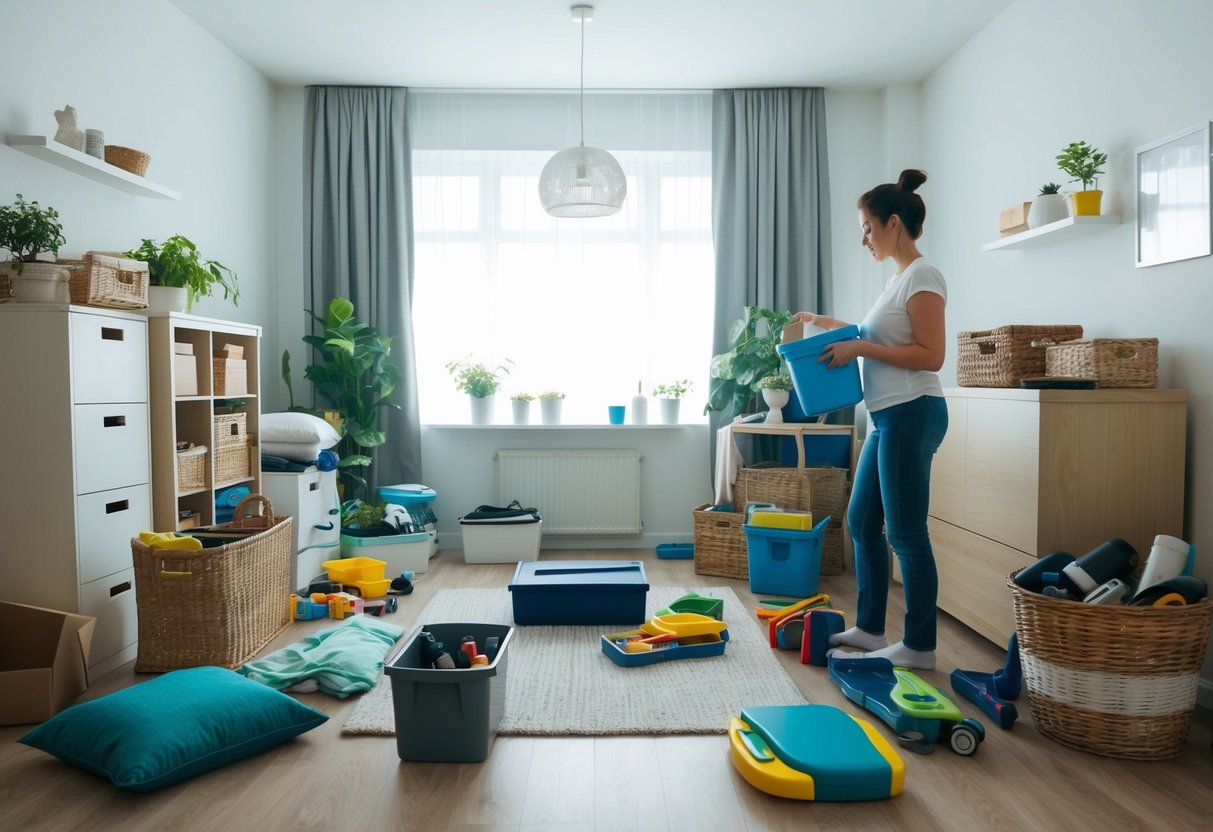
How do I decide what keepsakes to keep?
Keep items that evoke a strong, happy reaction as soon as you look at them or touch them. If an object brings up immediate guilt, shame, or obligation, it does not belong in your home. You do not need to keep gifts from friends or relatives simply because someone spent money on them years ago.
When you have a large collection of items from one event or time period, choose the single strongest item to represent that period. If you have ten teacups from a relative, keep the one cup you remember them using every morning. Let the other nine go so the main piece has room to be displayed or enjoyed.
- Use the container rule: Assign one specific plastic bin or wooden box for each person or period.
- Keep the peak item: Select the single best photo or object from a vacation or event.
- Pass down items early: Offer family heirlooms to relatives now rather than storing them for decades.
- Practice professional organizing habits: Keep only what fits comfortably inside your chosen box without crowding.
Photographing keepsakes before letting them go
An item is not the memory itself. The physical object is only a trigger for a memory that lives in your brain, and a sharp photograph triggers that exact same memory without taking up floor space or closet space. Taking a clear picture helps you let go of large, fragile, or awkward objects that you do not want to display.
Set up a spot near a window with good natural light. Place the item on a plain white sheet of paper or a clean wooden table. Take two clear photos with your phone camera, then write two or three sentences in your phone notes about why the item mattered to you. Store these images in a dedicated digital album on your computer or phone cloud backup.
This approach works extremely well for children's artwork, oversized trophies, school uniforms, craft projects, and bulky furniture pieces passed down from relatives. Once the photo is saved securely, you can donate the physical item to someone who will put it to immediate practical use.
Handling guilt when giving away family heirlooms
Many people feel heavy guilt when disposing of items that belonged to late relatives. Remember that the original owner kept those items to bring themselves joy or utility, not to burden you decades later with heavy storage tasks or dusty boxes. Releasing an item does not lessen your love for the person who gave it to you.
If you feel stuck on a valuable or historic family item, offer it to other family members with a strict deadline. Send a quick photograph to a family group chat and give everyone two weeks to claim it. If no one wants to bring the item into their home, you have full permission to sell or donate it to a local thrift shop.
For everyday items like old clothing or dishes, practice proper housekeeping by clearing them out to free up functional living space. Donating these pieces allows them to help someone else build a functional home, which gives the item a useful second life instead of letting it sit in dark cardboard boxes in your attic.


Comments
Post a Comment